
Ocean Pilot: Classic Arcade Challenge
Runs in your browser — no download.
Reviews
Ocean Pilot takes a straightforward concept and executes it with care. The controls are responsive, the stages are well-designed, and the difficulty curve feels natural. What stands out is how the game encourages thoughtful movement rather than frantic button mashing. Each stage feels like a puzzle of timing and route selection. The visual clarity helps players read situations quickly, and the energy system adds just enough tension without being punishing. It is a solid choice for anyone who enjoys retro-style action games with a focus on skill and memorization.
Description
Underwater Navigation Basics
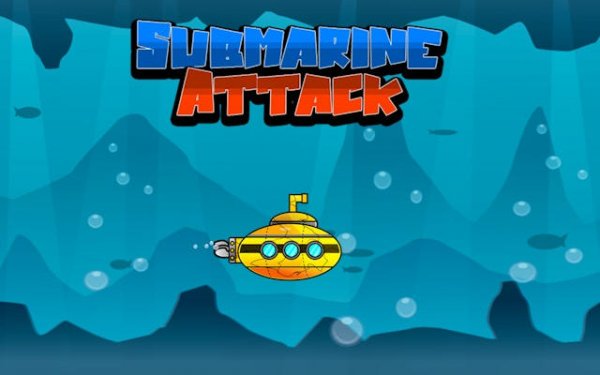
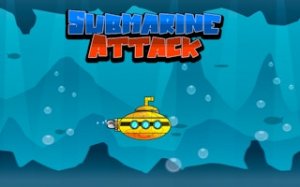
Ocean Pilot puts you in control of a small submarine traveling through a series of submerged tunnels. The primary objective is to move from one end of each stage to the exit while avoiding contact with the walls and the various marine animals that swim through the area. The controls are straightforward: directional inputs move the vessel up, down, left, or right. There is no complex button combination to memorize, which allows players to focus entirely on spatial awareness and reaction time.
Obstacle Patterns and Stage Design
Each underwater course is built around a maze-like structure with narrow corridors and open chambers. The layout changes from one stage to the next, so players cannot rely on memorizing a single route. Some passages are straight and easy to cross, while others force the submarine to weave around rocky outcroppings. Creatures such as sharks and large fish patrol specific areas, moving in repeating patterns that can be learned through observation. The challenge comes from combining navigation through tight spaces with the need to avoid these moving hazards.
Energy Management and Survival
The submarine has an energy bar that decreases when it collides with obstacles or marine life. If the energy drops to zero, the run ends and the player must restart the current stage. This system encourages cautious movement rather than reckless speed. Players can recover small amounts of energy by reaching certain checkpoints within a level. The energy bar also serves as a timer of sorts, because lingering too long in dangerous areas increases the chance of accidental contact. Managing this resource adds a layer of strategy to what might otherwise be a simple avoidance game.
Progression and Difficulty Curve
Early stages introduce basic layouts with few creatures, giving newcomers time to learn the controls and the behavior of common obstacles. As the player advances, the corridors become narrower, the creature patterns grow more complex, and the number of hazards increases. This gradual ramp in difficulty keeps the game accessible for beginners while still offering a satisfying challenge for experienced players. Each completed stage unlocks the next, providing a clear sense of progress. The game is designed for short play sessions, making it easy to pick up and put down between other activities.
Visual Style and Feedback
The graphics use a clean, clear art style that prioritizes readability. The submarine, walls, and creatures are all distinct shapes with contrasting colors, so players can quickly identify threats and safe paths. When the submarine takes damage, a brief flash and a sound effect provide immediate feedback. The interface shows the energy bar and current stage number without cluttering the screen. This minimalist approach helps maintain focus on the action without unnecessary distractions.
Tips for Improving Performance
Spend the first few attempts on a new stage simply watching how the creatures move. Their patterns repeat, so knowing when to pause and when to move is more important than raw speed. Keep the submarine near the center of open areas when possible, because corners and edges offer less room to dodge. If a particular passage seems too tight, try approaching it from a different angle or waiting for a creature to pass before proceeding. Taking short breaks between attempts can also help maintain concentration and reduce frustration.


































03 Comments
Sign in to comment
You must be logged in before posting a review or rating.
No account? Create one
No comments yet. Be the first to comment!